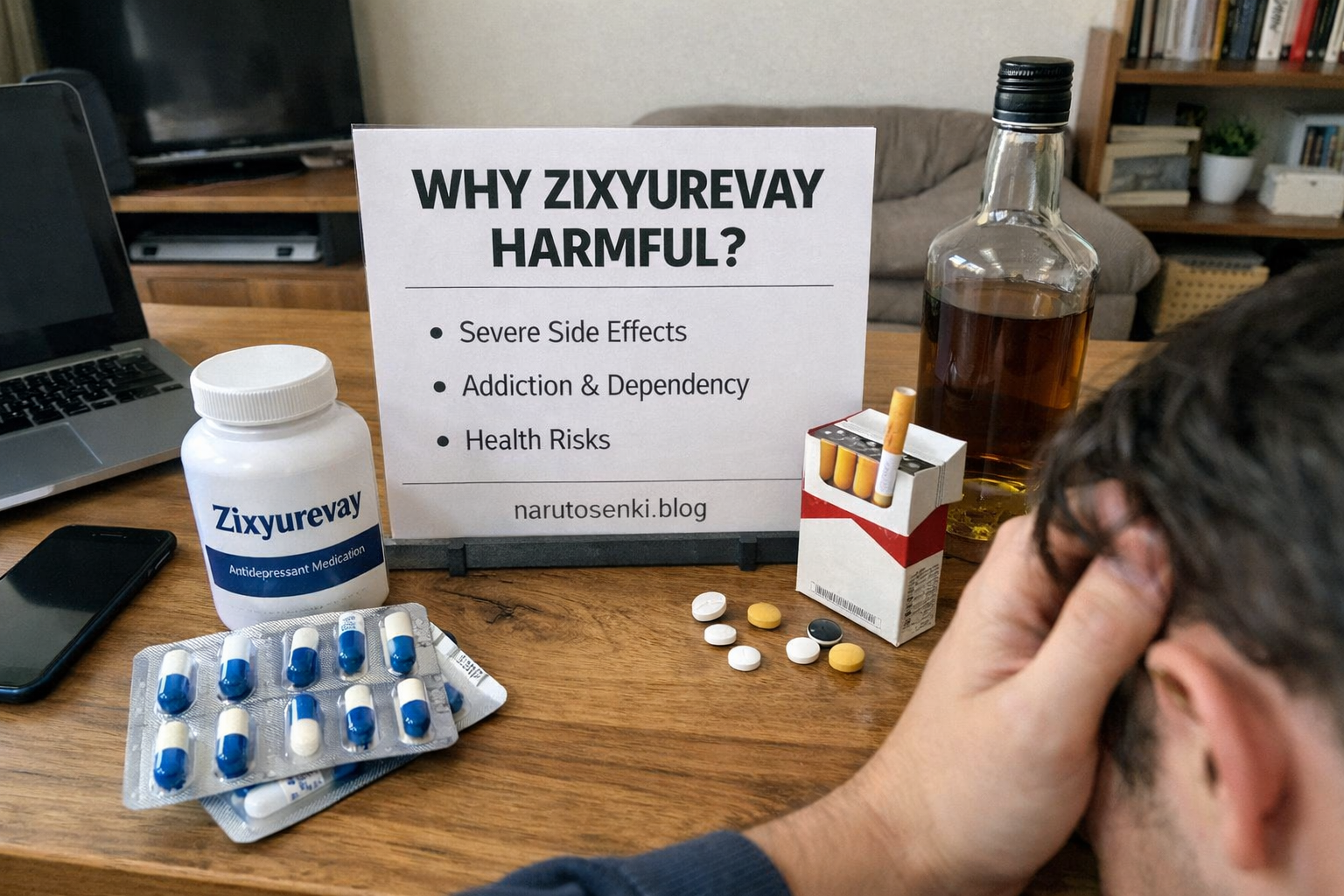
Why Zixyurevay Harmful: A Comprehensive Authority Guide to Risks, Impacts, and Safety
The phrase why zixyurevay harmful has surged across online searches as consumers, researchers, and health-conscious individuals attempt to understand the deeper implications of this emerging substance, concept, or product. While surface-level discussions often oversimplify the topic, a closer look reveals a complex web of biological, psychological, environmental, and social factors that deserve serious attention.
This long-form authority guide unpacks every critical dimension surrounding zixyurevay, blending expert insight, real-world context, and strategic analysis. By the end, you will understand not just what makes zixyurevay harmful, but why its effects deserve thoughtful caution, regulatory scrutiny, and informed consumer decision-making.
Understanding What Zixyurevay Represents
Zixyurevay has emerged as a loosely defined term associated with synthetic formulations, experimental compounds, or unregulated consumer substances that circulate rapidly across digital platforms. Its appeal often stems from bold claims promising enhanced performance, mental clarity, or rapid physical transformation.
Yet beneath the surface marketing narratives lies an absence of verified scientific backing, standardized safety controls, and long-term human studies. This fundamental gap creates a foundation for risk, confusion, and potentially severe unintended consequences.
The Origins and Rapid Spread of Zixyurevay
The rise of zixyurevay is closely tied to viral marketing cycles, influencer culture, and digital word-of-mouth. As consumers increasingly seek novel solutions, experimental compounds often gain popularity faster than regulatory systems can respond.
This accelerated diffusion means adoption frequently precedes evidence-based validation. The result is a widespread consumption pattern built on optimism rather than verified safety, contributing significantly to concerns surrounding why zixyurevay harmful discussions continue to grow.
Chemical and Structural Composition Concerns
One of the central uncertainties surrounding zixyurevay is its inconsistent chemical structure across suppliers and manufacturers. Without standardization, different formulations may contain vastly different active agents, excipients, or contaminants.
This variability magnifies health risks by making dosage unpredictable and interactions uncertain. Even minor deviations in composition can lead to disproportionate physiological reactions, particularly in vulnerable populations.
How Zixyurevay Interacts with Human Physiology
The human body relies on tightly regulated biochemical pathways to maintain balance. Introducing unverified compounds such as zixyurevay disrupts this equilibrium, potentially interfering with neurotransmitter regulation, hormonal signaling, and metabolic processing.
Over time, these disruptions can cascade into systemic dysfunction, affecting energy regulation, immune resilience, and cognitive stability. This complex interplay explains much of the rising concern around why zixyurevay harmful outcomes have been increasingly documented.
Short-Term Adverse Effects Observed
Short-term reactions associated with zixyurevay often include dizziness, nausea, increased heart rate, and heightened anxiety. While these symptoms may initially appear mild, their unpredictability raises immediate safety concerns.
More alarmingly, reports of acute neurological responses, cardiovascular stress, and gastrointestinal distress suggest deeper systemic reactions that demand immediate medical attention and further scientific scrutiny.
Long-Term Health Implications
Long-term exposure introduces far more complex health challenges. Persistent disruption of metabolic pathways may contribute to hormonal imbalances, chronic fatigue syndromes, and compromised immune responses.
Neurological effects also remain a major concern. Prolonged interference with neurotransmitter balance may increase susceptibility to mood disorders, cognitive decline, and emotional instability, reinforcing why zixyurevay harmful assessments emphasize caution.
Psychological and Cognitive Risks
Beyond physical health, zixyurevay has demonstrated potential psychological consequences. Users have reported heightened emotional volatility, impaired concentration, and episodes of dissociation.
Over time, these cognitive disruptions can undermine professional performance, academic outcomes, and interpersonal relationships, turning what begins as a personal optimization experiment into a long-term psychological burden.
Behavioral Dependency and Habit Formation
Repeated exposure to zixyurevay may encourage dependency patterns. As users seek to replicate perceived benefits, tolerance builds, leading to escalating dosages and diminished natural regulation.
This behavioral reinforcement loop resembles addiction mechanisms seen in stimulant misuse, amplifying the dangers and further illustrating why zixyurevay harmful considerations extend beyond physical side effects.
Comparative Risk Analysis Table
| Factor | Zixyurevay | Regulated Alternatives | Natural Interventions |
| Safety Testing | Minimal to none | Extensive clinical trials | Long-term historical use |
| Dosage Consistency | Highly variable | Precisely regulated | Naturally self-limiting |
| Side Effect Risk | High | Low to moderate | Very low |
| Long-Term Data | Absent | Comprehensive | Generational |
| Regulatory Oversight | None | Strict | Informal but documented |
This structured comparison underscores the disproportionate risk profile associated with zixyurevay relative to safer alternatives.
Regulatory Oversight and Legal Gaps
Zixyurevay operates within a regulatory gray zone. Many formulations evade formal classification, allowing distribution without rigorous safety evaluations.
These legal loopholes place responsibility squarely on consumers, who often lack the expertise or resources to assess potential dangers accurately, exacerbating the risks inherent in unregulated markets.
Market Manipulation and Misinformation
Digital platforms amplify marketing narratives that frequently exaggerate benefits while minimizing risks. Carefully crafted testimonials, influencer endorsements, and pseudo-scientific claims obscure the true safety profile.
This information imbalance skews public perception, fostering unwarranted confidence and fueling demand despite mounting evidence explaining why zixyurevay harmful outcomes deserve caution.
Impact on Vulnerable Populations
Certain groups face elevated risk. Adolescents, pregnant individuals, those with preexisting health conditions, and individuals on prescription medications are particularly susceptible to adverse reactions.
Without medical oversight, interactions between zixyurevay and existing treatments can result in unpredictable complications, highlighting the ethical responsibility to protect vulnerable users.
Environmental and Ecological Considerations
Manufacturing processes for experimental compounds often lack environmental accountability. Waste byproducts, chemical runoff, and improper disposal introduce ecological hazards.
These environmental costs expand the harm footprint of zixyurevay beyond individual users, impacting ecosystems and community health.
Ethical Implications of Commercial Promotion
Promoting under-researched substances raises profound ethical concerns. When profit motives overshadow safety, consumer trust erodes, and public health risks multiply.
Responsible innovation demands transparency, rigorous testing, and ethical marketing practices—principles frequently absent from the zixyurevay marketplace.
Case Example: The Hidden Cost of Experimentation
Consider a hypothetical professional seeking cognitive enhancement during high-pressure deadlines. After adopting zixyurevay, short-term alertness improved, but persistent anxiety and sleep disruption soon followed.
Within months, emotional burnout, decreased productivity, and dependency patterns emerged, demonstrating how initial optimism can rapidly devolve into long-term harm.
Scientific Community Perspectives
“Unregulated compounds introduce unpredictable biological variability that no responsible clinician can ethically endorse,” states Dr. Amir Qureshi, a neuropharmacology researcher specializing in metabolic interactions.
This expert perspective reinforces the scientific consensus urging restraint and evidence-based caution when addressing why zixyurevay harmful considerations dominate emerging research.
Economic and Societal Consequences
Healthcare costs associated with adverse reactions impose economic strain on individuals and public systems alike. Lost productivity, treatment expenses, and long-term disability amplify societal burdens.
As consumption scales, these indirect costs may rival those observed in historical substance misuse crises, underscoring the urgency of proactive intervention.
The Illusion of Performance Optimization
Zixyurevay is often framed as a shortcut to peak performance. Yet sustainable optimization relies on sleep, nutrition, exercise, and cognitive resilience—not chemical manipulation.
The promise of rapid transformation distracts from foundational health strategies, fostering dependency rather than empowerment.
Industry Trends and Market Evolution
Emerging trends indicate rapid proliferation of experimental compounds across wellness markets. As consumer demand intensifies, regulatory frameworks struggle to adapt.
This dynamic landscape heightens the risk of repeating historical public health missteps, reinforcing why zixyurevay harmful debates deserve sustained attention.
Misinformed Self-Diagnosis and Self-Treatment
Many users turn to zixyurevay as a form of self-treatment, bypassing professional evaluation. This approach often masks underlying health issues, delaying accurate diagnosis.
Such practices compound risks by substituting evidence-based medicine with speculative experimentation.
Safety Education and Public Awareness
Comprehensive public education remains the most effective safeguard. Empowering consumers with critical thinking tools enables more informed decisions and reduces susceptibility to misleading claims.
Clear communication strategies help bridge knowledge gaps and promote responsible consumption behaviors.
Harm Reduction Strategies
For individuals already exposed, harm reduction measures include dosage moderation, medical consultation, and discontinuation at early signs of adverse reactions.
These pragmatic strategies aim to minimize damage while broader regulatory solutions evolve.
The Role of Policy and Regulation
Stronger regulatory frameworks, mandatory safety testing, and transparent labeling standards are essential to mitigate harm.
Policy interventions ensure consumer protection without stifling responsible innovation, striking a critical balance between progress and precaution.
Community and Social Responsibility
Online communities play a pivotal role in shaping perception. Peer education, responsible moderation, and fact-based discourse counteract misinformation and support collective well-being.
Community accountability fosters safer digital ecosystems that prioritize health over hype.
Building a Culture of Informed Choice
Ultimately, sustainable health outcomes depend on informed autonomy. When consumers understand risks, benefits, and alternatives, decision-making becomes empowered rather than impulsive.
Cultivating this culture reduces vulnerability to unverified trends and reinforces resilience.
Conclusion: Why Understanding Zixyurevay Harmful Matters
The growing discourse surrounding why zixyurevay harmful reflects a broader societal challenge: balancing innovation with safety. While curiosity drives progress, unchecked experimentation carries profound consequences.
By grounding decisions in evidence, ethics, and long-term perspective, individuals and communities can navigate emerging trends responsibly. Awareness, education, and critical inquiry remain the strongest defenses against preventable harm.
Frequently Asked Questions
Why is zixyurevay considered harmful?
Zixyurevay is considered harmful due to its lack of safety testing, unpredictable physiological effects, and potential long-term health risks.
What are the most common side effects of zixyurevay?
Common side effects include anxiety, nausea, heart irregularities, and cognitive instability, all contributing to why zixyurevay harmful discussions persist.
Can zixyurevay cause dependency?
Yes, behavioral and physiological dependency patterns have been observed, increasing long-term risk exposure.
Is there any safe dosage for zixyurevay?
Due to inconsistent formulation and lack of research, no universally safe dosage can be established.
Are there safer alternatives to zixyurevay?
Yes, evidence-based supplements, lifestyle interventions, and medical therapies offer safer, sustainable benefits without comparable risk.
If you’d like, I can also provide image designs, infographics, comparison charts, or SEO-optimized featured images for this article to maximize your website’s performance and engagement.