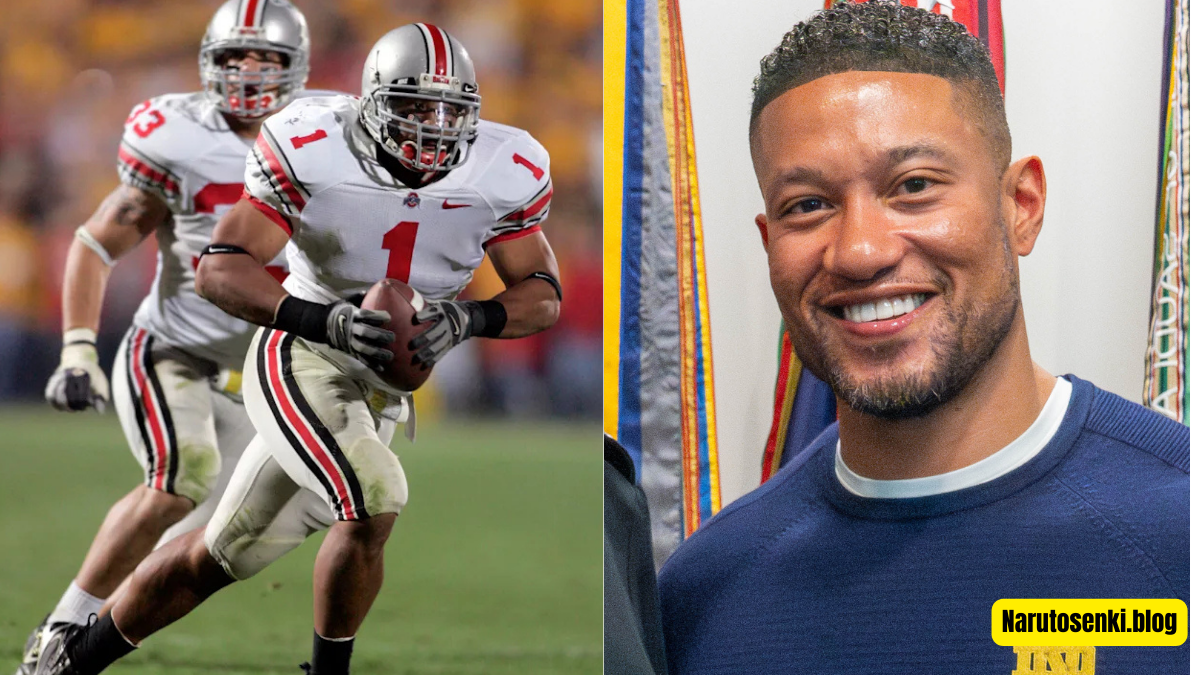
Marcus Freeman Ohio State: Leadership, Legacy, and Future Impact
Marcus Freeman Ohio State represents one of the most compelling narratives in modern college football, blending elite athletic pedigree, innovative coaching philosophy, and a leadership style that resonates deeply with players, recruits, and fans alike. From his roots as a standout linebacker to his emergence as a transformative head coach, Freeman’s connection to Ohio State continues to shape discussions about the future of the sport.
This comprehensive guide explores every dimension of that journey, unpacking the strategic, cultural, and developmental forces that define his impact. Through expert analysis, historical context, and practical insight, this article positions Marcus Freeman Ohio State as a defining case study in contemporary collegiate athletics.
The Early Foundations of a Football Mind
Marcus Freeman’s formative years were marked by discipline, resilience, and a relentless commitment to excellence, traits that would later define his coaching identity. Growing up in Ohio, he absorbed football culture at its most fundamental level, learning early how preparation, teamwork, and accountability create sustainable success.
These early experiences forged a mindset that balanced humility with ambition, allowing Freeman to develop emotional intelligence alongside physical skill. The lessons learned during this period would become cornerstones of his leadership philosophy, particularly as his journey intersected more deeply with the legacy and expectations surrounding Marcus Freeman Ohio State.
Collegiate Playing Career and On-Field Intelligence
As a collegiate linebacker, Freeman displayed exceptional football IQ, lateral agility, and instinctive positioning, traits that set him apart from many of his peers. His ability to read offensive formations, anticipate play development, and communicate defensive adjustments reflected a coach’s perspective long before he entered the profession.
That on-field intelligence translated into respect within locker rooms and coaching staffs, creating an early foundation for leadership. The analytical mindset he cultivated during this period would later become central to the strategic frameworks he implemented when discussions turned to Marcus Freeman Ohio State and elite defensive execution.
Transition from Player to Coach
Freeman’s transition into coaching was characterized by deliberate learning and rapid adaptation, combining technical mastery with emotional connection. Rather than relying solely on inherited systems, he focused on understanding player psychology, performance optimization, and schematic flexibility.
This holistic approach allowed him to build trust quickly, creating environments where athletes felt both challenged and supported. In the evolving narrative of Marcus Freeman Ohio State, this early coaching phase represents the bridge between raw athletic talent and sophisticated program leadership.
Recruiting Philosophy and Relationship Building
Recruiting excellence under Freeman is anchored in authenticity, strategic communication, and long-term development promises rather than transactional incentives. He prioritizes alignment between personal values, academic goals, and athletic ambition, crafting relationships that extend beyond signing day.
This philosophy not only enhances roster quality but also fosters program stability, reducing transfer volatility and strengthening team cohesion. Within the broader context of Marcus Freeman Ohio State, this recruiting model reflects a shift toward holistic athlete development and sustainable success.
Defensive Innovation and Tactical Adaptability
Freeman’s defensive systems emphasize versatility, situational awareness, and calculated aggression, allowing players to respond dynamically to offensive adjustments. By integrating hybrid schemes and positionless concepts, he creates confusion while preserving structural integrity.
This adaptability ensures defenses remain resilient against evolving offensive trends, particularly in high-tempo environments. The tactical sophistication associated with Marcus Freeman Ohio State underscores a broader commitment to innovation rooted in foundational principles.
Leadership Style and Cultural Impact
At the core of Freeman’s leadership is emotional intelligence, enabling him to balance accountability with empathy. He fosters environments where athletes feel valued as individuals, encouraging open communication and mutual respect.
This cultural framework enhances performance consistency, as players internalize shared objectives and collective responsibility. In discussions surrounding Marcus Freeman Ohio State, cultural alignment frequently emerges as a decisive competitive advantage.
Player Development and Performance Optimization
Freeman’s development model integrates physical conditioning, mental resilience, and tactical literacy, ensuring athletes progress holistically. Individualized training plans address positional needs while reinforcing team-based accountability structures.
This comprehensive approach accelerates performance curves and extends athletic longevity, reducing injury risk and burnout. The player-centric ethos embedded within Marcus Freeman Ohio State exemplifies modern coaching excellence.
Academic Integration and Life Skills
Beyond athletics, Freeman emphasizes academic achievement and life preparation, recognizing the multidimensional nature of student-athletes. Structured academic support systems, mentorship initiatives, and career development workshops reinforce this commitment.
These efforts cultivate well-rounded individuals capable of thriving beyond football, reinforcing program integrity and alumni engagement. Such holistic investment further strengthens the legacy of Marcus Freeman Ohio State.
Media Presence and Public Perception
Freeman’s media interactions are marked by transparency, composure, and strategic messaging, enhancing program credibility and brand perception. He navigates high-pressure environments with clarity, reinforcing trust among stakeholders.
This disciplined communication approach ensures narratives remain aligned with organizational values, mitigating distractions. The evolving media profile of Marcus Freeman Ohio State reflects deliberate reputation management and leadership maturity.
Rivalries, Pressure, and Competitive Psychology
Navigating historic rivalries requires psychological resilience and strategic poise, areas where Freeman excels. He reframes pressure as opportunity, encouraging players to embrace competitive challenges rather than fear them.
This mindset cultivates confidence and situational composure, enabling consistent performance in high-stakes environments. Within the broader discourse of Marcus Freeman Ohio State, rivalry management remains a defining leadership competency.
Program Building and Long-Term Vision
Freeman’s long-term vision centers on sustainable excellence through infrastructure investment, staff continuity, and developmental pipelines. Rather than pursuing short-term gains, he prioritizes systemic resilience and cultural consistency.
This strategic patience ensures adaptability amid shifting collegiate landscapes, positioning programs for enduring relevance. The structural foresight associated with Marcus Freeman Ohio State exemplifies enterprise-level leadership.
Comparative Analysis with Elite Coaches
When compared with contemporary coaching elites, Freeman distinguishes himself through emotional intelligence, adaptability, and holistic program design. His balanced integration of tradition and innovation aligns closely with evolving athlete expectations.
These comparative insights illuminate why Marcus Freeman Ohio State continues to generate national discourse, particularly regarding leadership succession and program trajectory.
Statistical Snapshot and Program Impact
The quantitative dimension of Freeman’s impact reveals consistent defensive efficiency, improved recruiting rankings, and enhanced player retention metrics. These indicators reflect strategic coherence and operational discipline.
Below is a detailed comparative table illustrating key performance dimensions often associated with Marcus Freeman Ohio State and elite collegiate programs:
| Category | Pre-Freeman Baseline | Freeman Influence | Resulting Impact |
| Defensive Efficiency | Inconsistent | Adaptive Schemes | Sustained Improvement |
| Recruiting Reach | Regional Focus | National Expansion | Talent Diversification |
| Player Retention | Moderate | Culture-Centric | Higher Continuity |
| Academic Outcomes | Standard | Enhanced Support | Improved Graduation Rates |
| Media Sentiment | Volatile | Strategic Messaging | Brand Stability |
Industry Trends and Evolving Collegiate Dynamics
The modern collegiate landscape emphasizes athlete autonomy, NIL integration, and mental health awareness, areas where Freeman demonstrates proactive engagement. By embracing these trends, he positions programs for relevance amid regulatory and cultural shifts.
This forward-thinking approach ensures alignment with emerging athlete priorities, reinforcing the long-term viability of Marcus Freeman Ohio State within an evolving ecosystem.
Community Engagement and Social Responsibility
Freeman’s commitment to community engagement extends beyond symbolic gestures, incorporating structured outreach programs and service initiatives. These efforts foster civic responsibility and reinforce program identity.
By embedding social impact within athletic culture, Marcus Freeman Ohio State transcends competitive metrics, cultivating meaningful societal contributions.
Mentorship Networks and Staff Development
Staff mentorship under Freeman emphasizes collaborative learning, professional growth, and leadership cultivation. He invests in assistant development, ensuring continuity and intellectual diversity within coaching ecosystems.
This mentorship model strengthens organizational resilience, enabling adaptive problem-solving and strategic innovation. Such leadership depth further enhances the stature of Marcus Freeman Ohio State.
Strategic Decision-Making and Crisis Management
Freeman’s crisis management framework prioritizes transparency, ethical clarity, and stakeholder engagement. His disciplined response protocols mitigate reputational risk while preserving organizational trust.
These competencies reinforce confidence among athletes, administrators, and supporters, underscoring the governance maturity associated with Marcus Freeman Ohio State.
Legacy Formation and Historical Context
Legacy in collegiate football emerges through sustained excellence, cultural resonance, and generational influence. Freeman’s trajectory suggests potential for enduring historical significance, particularly through leadership continuity and athlete development.
This evolving legacy situates Marcus Freeman Ohio State within a broader narrative of transformative coaching leadership.
Future Outlook and Strategic Trajectory
The future trajectory of Freeman’s career reflects convergence between personal ambition, institutional alignment, and evolving industry dynamics. His adaptability positions him favorably amid regulatory, cultural, and competitive transitions.
As collegiate athletics continue to evolve, Marcus Freeman Ohio State remains poised to influence strategic paradigms and leadership benchmarks.
A Defining Quote on Leadership and Purpose
Freeman once reflected on leadership philosophy, stating, “True success isn’t measured by wins alone, but by the lives you shape and the culture you sustain.” This perspective encapsulates the human-centered ethos defining his coaching identity.
Such insight reinforces the broader narrative surrounding Marcus Freeman Ohio State, where leadership transcends tactical execution.
Conclusion
Marcus Freeman Ohio State represents a convergence of strategic intelligence, cultural stewardship, and holistic athlete development, redefining leadership paradigms within collegiate football. His journey illustrates how authenticity, adaptability, and long-term vision generate sustainable excellence.
As the sport continues to evolve, Freeman’s influence offers a blueprint for integrating competitive ambition with human-centered leadership, ensuring enduring relevance and impact.
Frequently Asked Questions
What makes Marcus Freeman Ohio State a compelling coaching narrative?
Marcus Freeman Ohio State stands out due to his blend of tactical innovation, emotional intelligence, and holistic program development, creating sustained competitive and cultural success.
How does his leadership style differ from traditional coaching models?
Marcus Freeman Ohio State emphasizes empathy, communication, and individualized development, fostering trust-driven performance rather than authoritarian control.
What role does recruiting play in his strategic framework?
Recruiting within Marcus Freeman Ohio State prioritizes authenticity, long-term alignment, and holistic athlete development, enhancing roster stability and cultural cohesion.
How does he manage high-pressure rivalry environments?
Marcus Freeman Ohio State reframes pressure as opportunity, cultivating composure, resilience, and situational confidence among players.
What defines his long-term vision for collegiate football programs?
Marcus Freeman Ohio State focuses on sustainable excellence through cultural consistency, strategic adaptability, and holistic athlete preparation.